Crunching the industry numbers

Underpinning The Future Flock is some serious economic horsepower - modelling
designed to make sure the work is grounded in reality.
The Future Flock has teamed up with the Rennie Advisory economics team to put numbers and evidence behind the big questions facing the industry. So, what goes into the modelling? Why does this economic work matter for producers and the broader value chain?
Can you tell us a bit about the Rennie team?
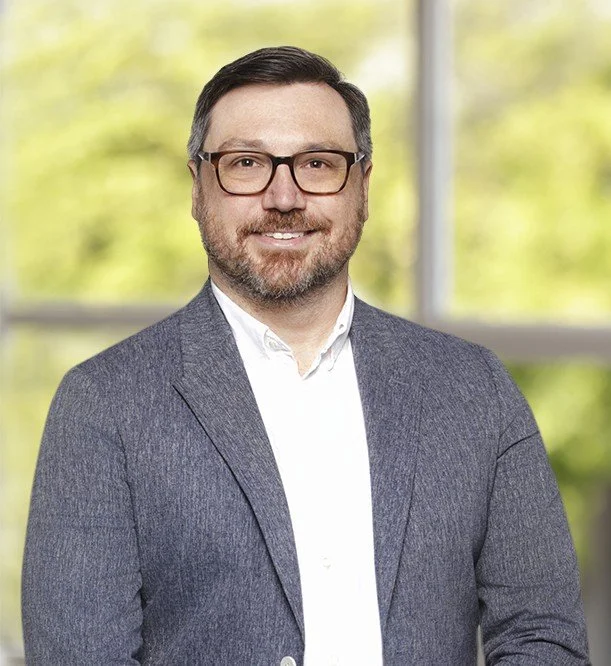
Eamon: Dr Eamon McGinn is an economist with 20 years' experience in agricultural economics, supply chain analysis, logistics, and regional economic analysis. Eamon recently completed a series of reports for WoolProducers Australia on early-stage wool processing in Australia. He has family connections to the Monaro in NSW.
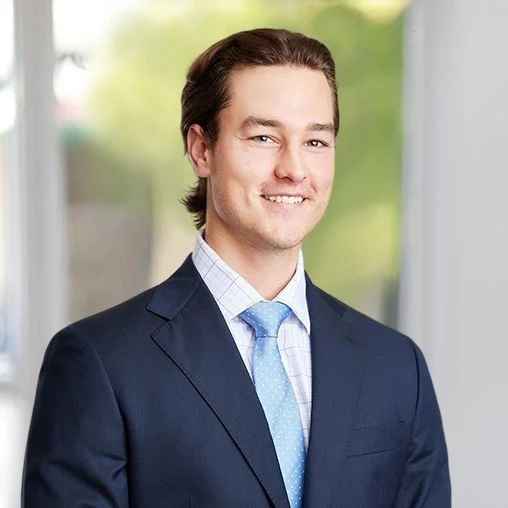
Tom: Tom has been with Rennie for 6 months in the Economics, Reform and Sustainability team, having a prior 4 years of experience in the economic analysis around sustainability and climate issues. Tom loves a lamb shish kebab.

Iman: Iman has been with Rennie for 1 year in the Economics, Reform and Sustainability team. She has experience working across strategy and growth transformation across the Public Sector and peak bodies in WA. She has a passion for swimming and travel and is very excited for her upcoming trip to China.

Hugh: Hugh has been with Rennie for 2 years. Outside of work he competes regularly in swimming and has a passion for volunteering on Kids/Teen Summer Camps, one of these camps took him to the Caribbean!
What does a day look like for you working with The Future Flock?
Eamon overseas and steers the Rennie Ship. He is our first point of call for all questions and checks in with us regularly. Typically, when he isn't in meetings, he'll be deep into a sheep-related piece of research, or our model. As for the rest of the team, we split our time between building the model in excel/python and reading the seemingly endless literature on sheep farming. Any little nugget of information we can find we look to incorporate.
Alongside this, a large part of our day involves testing different future scenarios, such as changes in flock size, processing capacity, productivity, and market premiums, to understand how the whole sheep value chain may evolve over time.
Rennie has worked across a range of agricultural projects - how has this broader experience shaped the way you’re approaching the economic work for The Future Flock?
Rennie’s team members' broad experience across wool, hemp, feedlot cattle, chicken meat and agricultural trade policy has shaped a holistic, systems‑based approach to the economic work for The Future Flock engagement. Exposure to complex production systems, diverse value chains, and varied market structures means we bring a deep understanding of how farm‑level decisions interact with processing, logistics, market access, regulation, and international competitiveness at the aggregate industry level.
Our previous work has combined rigorous cost and economic modelling, extensive industry consultation, supply chain mapping, and policy analysis. These skills ensure that The Future Flock analysis captures not just broad inputs and outputs, but also sheep specific system dynamics, resource constraints, industry incentives, and long‑term strategic opportunities.
What is the purpose of the economic analysis within The Future Flock?
The purpose of our work is to provide clear, evidence-based economic analysis that guides the development of The Future Flock strategy. Our role is specifically to quantify the economic impacts of key challenges (like the live export ban, processing capacity, workforce constraints, etc…), assess opportunities across the wool and sheep meat value chain, and deliver scenario modelling that shows how different strategic choices will affect producers, processors, regions, and markets. Our work is intended to give Sheep Producers Australia the robust economic foundation needed to prioritise targeted investment, support transformational change, and position the industry for long term resilience.
What data sources or industry inputs are being used to build economic modelling?
ABARES data is at the centre of our model's initial inputs. Supplementary to this a range of academic papers, consultations with industry experts, along with desktop research which form the basis of further scenario functionality, and inputs, within the model.
Additionally, Rennie Advisory has partnered with Ben van Delden (Delco AgriFood), Selwyn Heilbron (SG Heilbron Economic & Policy Consulting), and John Brakenridge CNZM to support the depth and robustness of the economic modelling. Together, this group brings deep expertise across agricultural economics, wool and sheepmeat value chains, processing sector dynamics, and market system transformation. Their deep subject matter expertise is supporting the Rennie team to validate key assumptions, strengthening confidence that the modelling is grounded in real world sheep industry conditions.


Comments